Physical AI & Edge Intelligence

By TechplaceAdmin

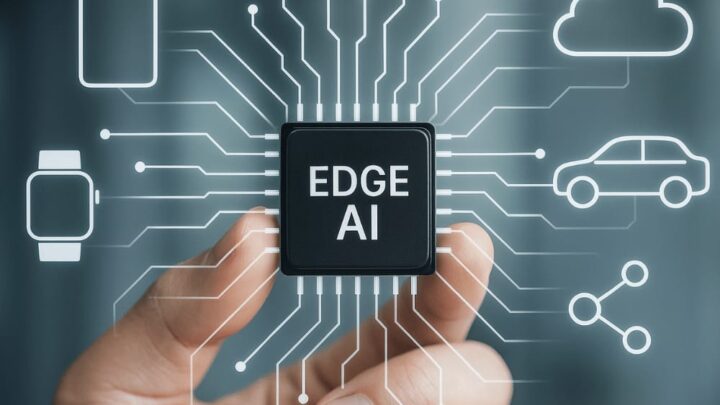
AI has moved out of the chatbox and into the physical world. Current integration projects focus on “Physical AI”—embedding computer vision and machine learning directly into hardware like security cameras and factory sensors. This allows for real-time anomaly detection without relying on slow, centralized cloud processing. Why it matters: It reduces latency and improves safety in hazardous environments

Cybersecurity for Integrated Ecosystems

By TechplaceAdmin

As systems become more interconnected, they also become more vulnerable. The current standard is moving toward Zero-Trust Architecture at the hardware level. Integration is no longer just about making things talk; it’s about making sure only the “right” things are talking. Why it matters : Protects critical infrastructure from AI-driven phishing and automated cyber-attacks.

AI-Driven Compliance & Regulatory Automation

By TechplaceAdmin

With the 2026 update to NIST Cybersecurity Frameworks and stricter environmental reporting, integration is now a legal necessity. Modern systems are using automated data logging to provide “tamper-resistant” records for audits.The Tech: Integration of Quality Management Systems (QMS) directly into production controls to generate real-time deviation reports.